
These stem cells took away Kim's pain
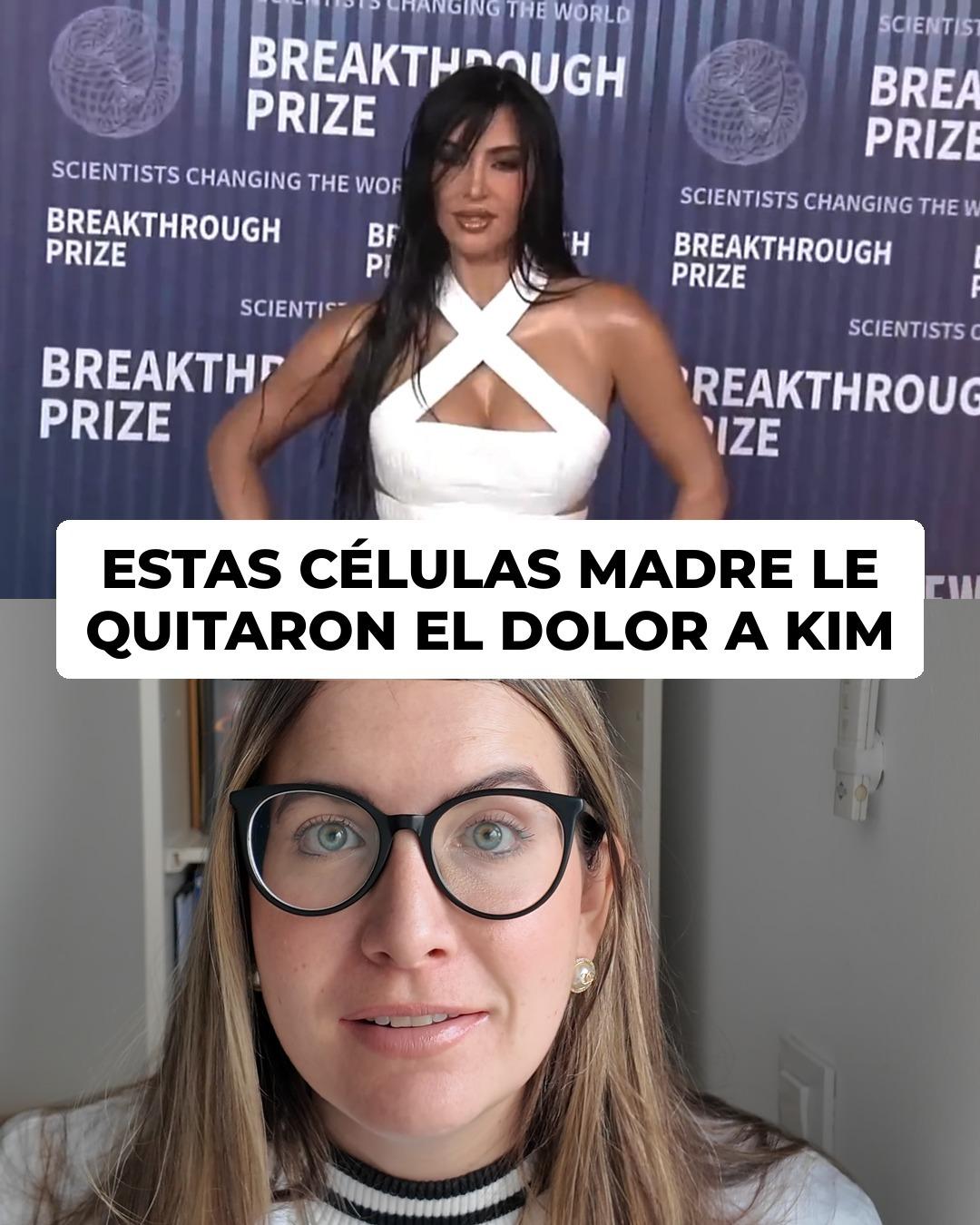
A few months ago, Kim Kardashian shared that she hurt her shoulder lifting weights and that the pain wouldn't go away with the treatments she had tried. So she traveled to Mexico to receive a stem cell therapy that wasn't available in the United States. She says she got her shoulder movement back, and later she did it again for back pain. Shortly after, her sister Kylie gave it a try too.
You've probably heard about stem cells in the news, at aesthetic clinics or on social media. But what are they really, why are they used to repair injuries, and what has science shown so far?
What is a stem cell?
Your body repairs itself every day without you noticing. The skin of a cut closes, your blood renews itself and a broken bone knits back together.
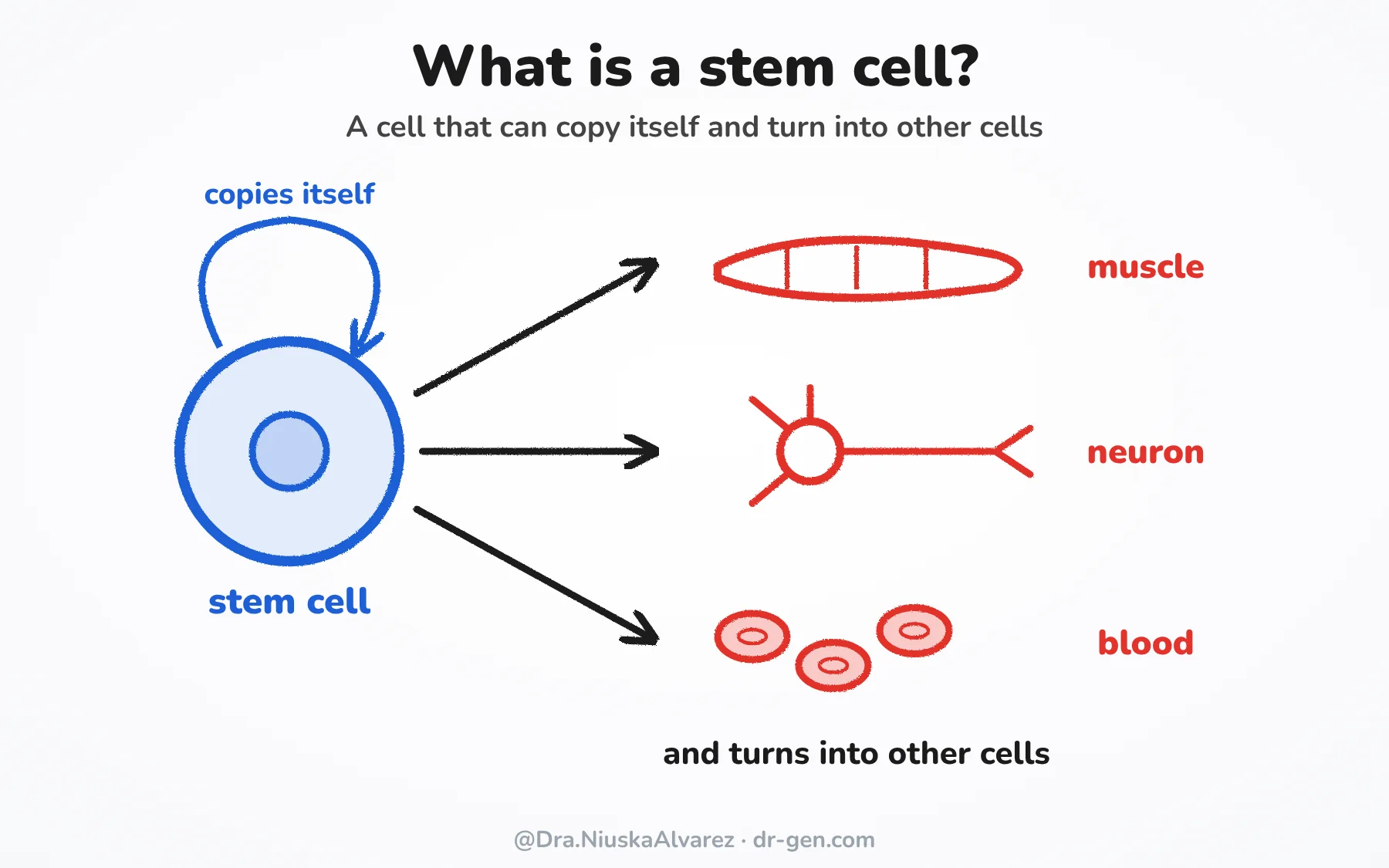
Behind that repair are stem cells: cells with two special abilities. They can copy themselves so they don't run out, and they can turn into other types of cells, such as muscle, blood or nerve cells.
Not all stem cells are the same
When someone says "stem cells", they may be talking about very different things:
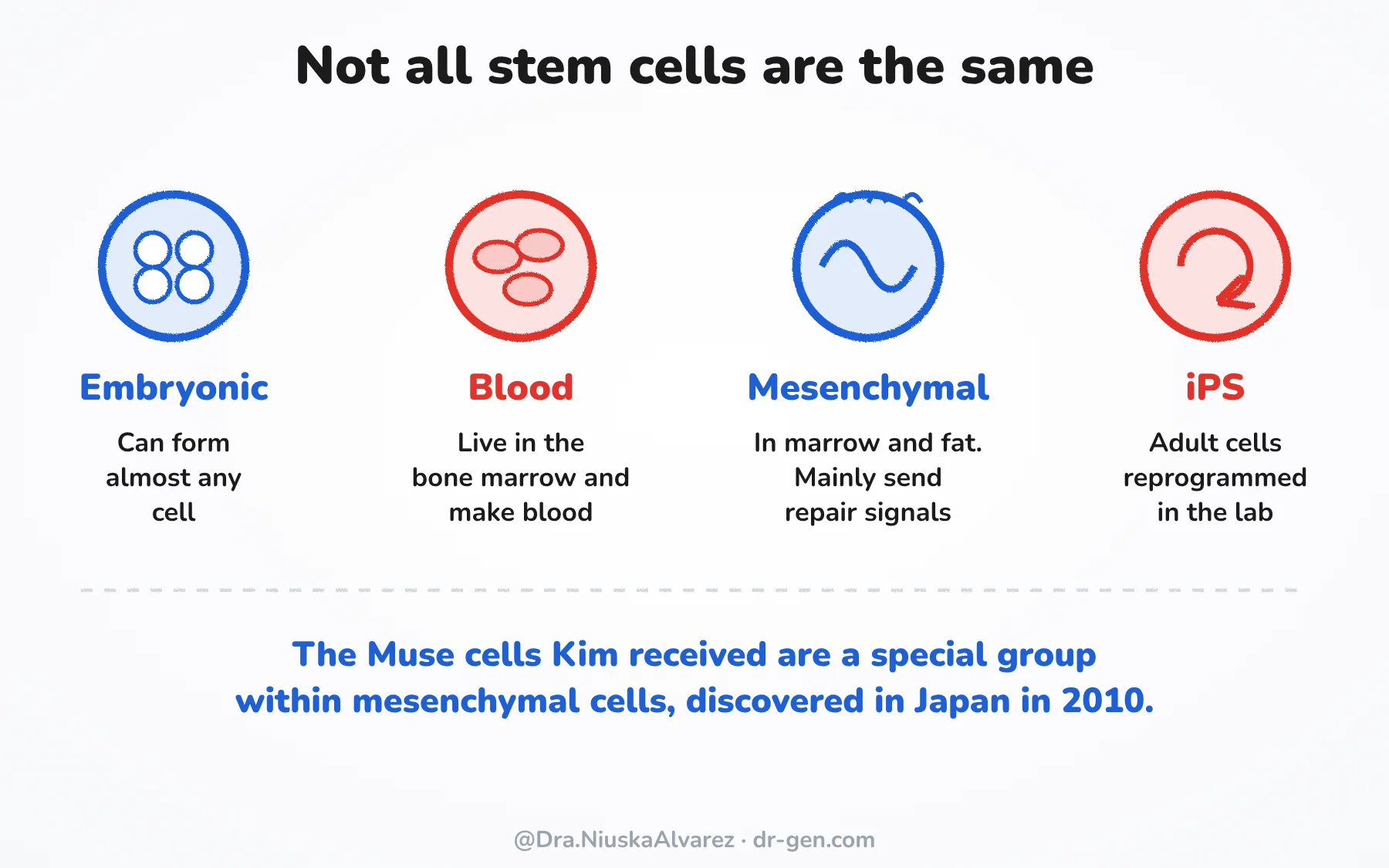
- Embryonic stem cells, from the earliest stages of the embryo, can form almost any cell in the body.
- Blood stem cells live in the bone marrow and, throughout life, make red blood cells, white blood cells and platelets.
- Mesenchymal stem cells are found in the bone marrow, in fat and in other tissues. Rather than turning into other cells, their strength lies in the signals they send: substances that calm inflammation and help other cells repair.
- iPS cells are adult cells, for example from the skin, that are "reprogrammed" in the lab so they behave like stem cells again.
The ones Kim received are called Muse cells. They are a special group found within mesenchymal cells, discovered in Japan in 2010.
Why are they used to repair injuries?
Some tissues heal very poorly on their own. One example is tendons, which connect muscle to bone: they get little blood supply, which is why a shoulder injury can hurt for months.
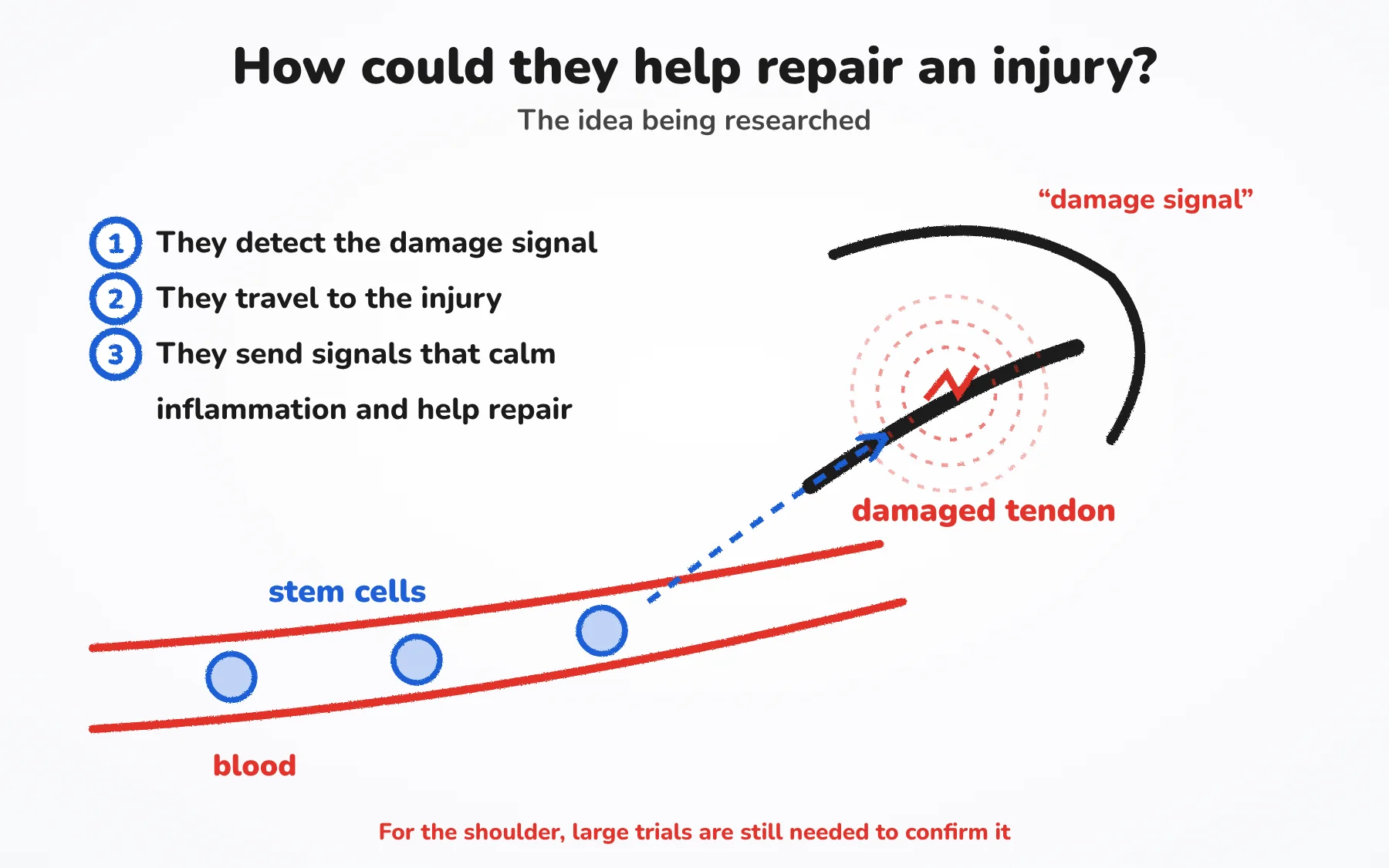
The idea behind stem cell therapies is to help that tissue repair itself. In the case of Muse cells, researchers have seen that they can detect the damage signals sent out by injured tissue, travel through the blood to get there and stay to help repair it, largely thanks to the signals they release.
What already works
Stem cells are not just a promise for the future: some already save lives.
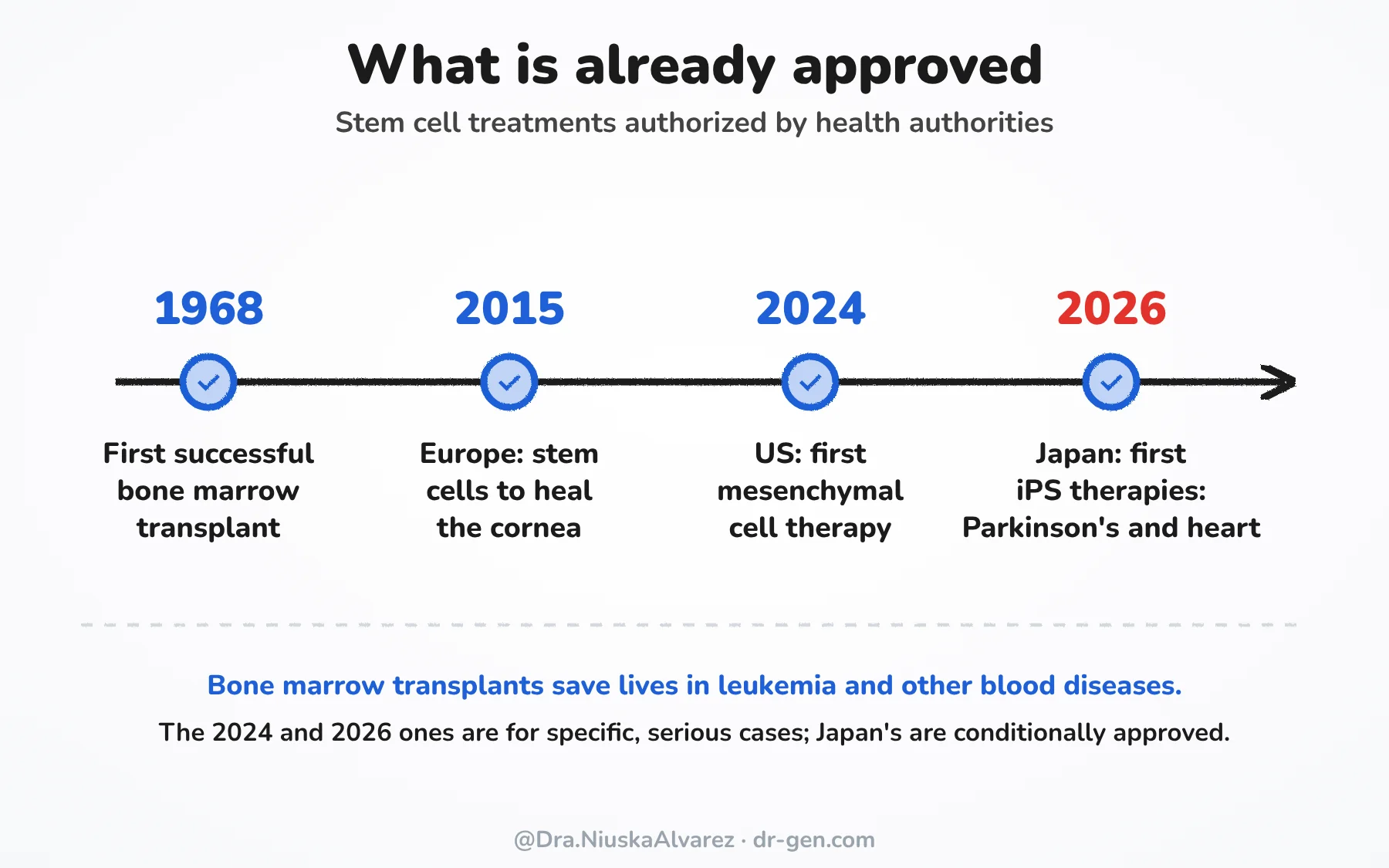
A bone marrow transplant, which is really a transplant of blood stem cells, has been done successfully since 1968 and today is a standard treatment for leukemia and other blood diseases.
There are also approved treatments for very specific uses. In 2015, Europe approved a stem cell treatment to repair a cornea damaged by burns. In 2024, the United States approved the first therapy with mesenchymal cells, for children with a serious complication after a transplant. And in 2026, Japan conditionally approved the first therapies with iPS cells: one for Parkinson's disease and another for heart failure.
The most promising clinical trials
A clinical trial is a study in which a treatment is tested in people, with controls and careful follow-up. In recent years there have been results that excite the scientific community:
- Type 1 diabetes. In a trial published in 2025, insulin-producing cells made from stem cells were transplanted. After a year, 10 of 12 people no longer needed insulin injections. They did, however, have to take medication so their bodies wouldn't reject the cells.
- Parkinson's disease. In Japan, seven patients received neurons made from iPS cells (the ones reprogrammed in the lab). The cells survived, produced dopamine (the substance that is missing in Parkinson's) and did not form tumors.
- Stroke. In a trial with 35 people who had a stroke, those who received Muse cells improved more than those who received a placebo (an injection without stem cells): 40% versus 10% with the placebo at 12 weeks.
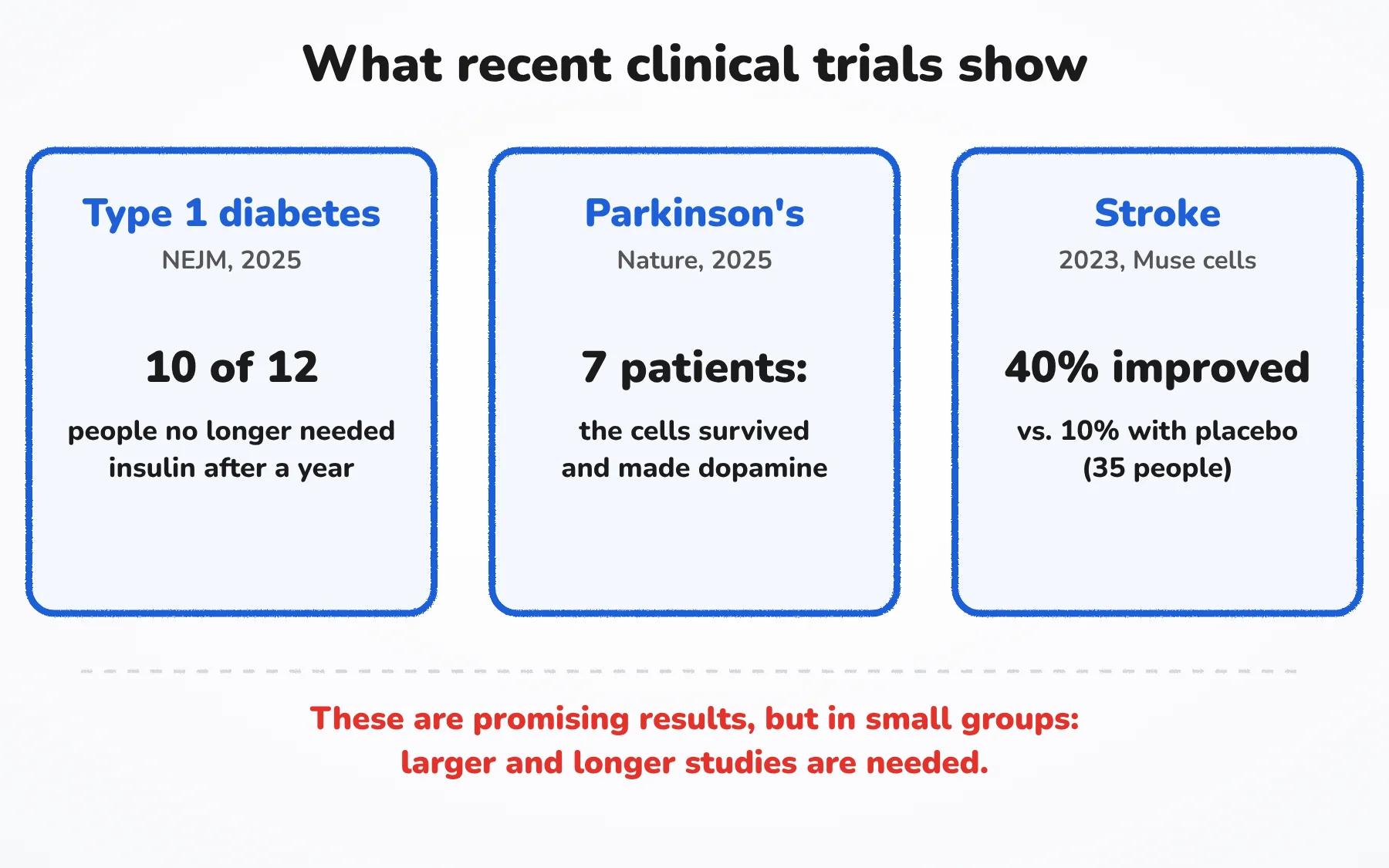
These are very promising results, but still in small groups. Larger and longer studies are now needed to confirm them.
And Kim's shoulder?
For injuries like hers, in the shoulder tendons, stem cell therapies show promising potential. But a review published in 2026 points out that large, good-quality trials are still needed to show how much they help and for whom.
That's why Kim's experience is real and interesting, but it is one person's story. Science needs to compare many treated people with others who weren't treated to know whether the benefit comes from the cells and whether it is completely safe.
And what does this mean for you?
That stem cells are one of the most exciting areas of medicine, and that some are already part of real treatments.
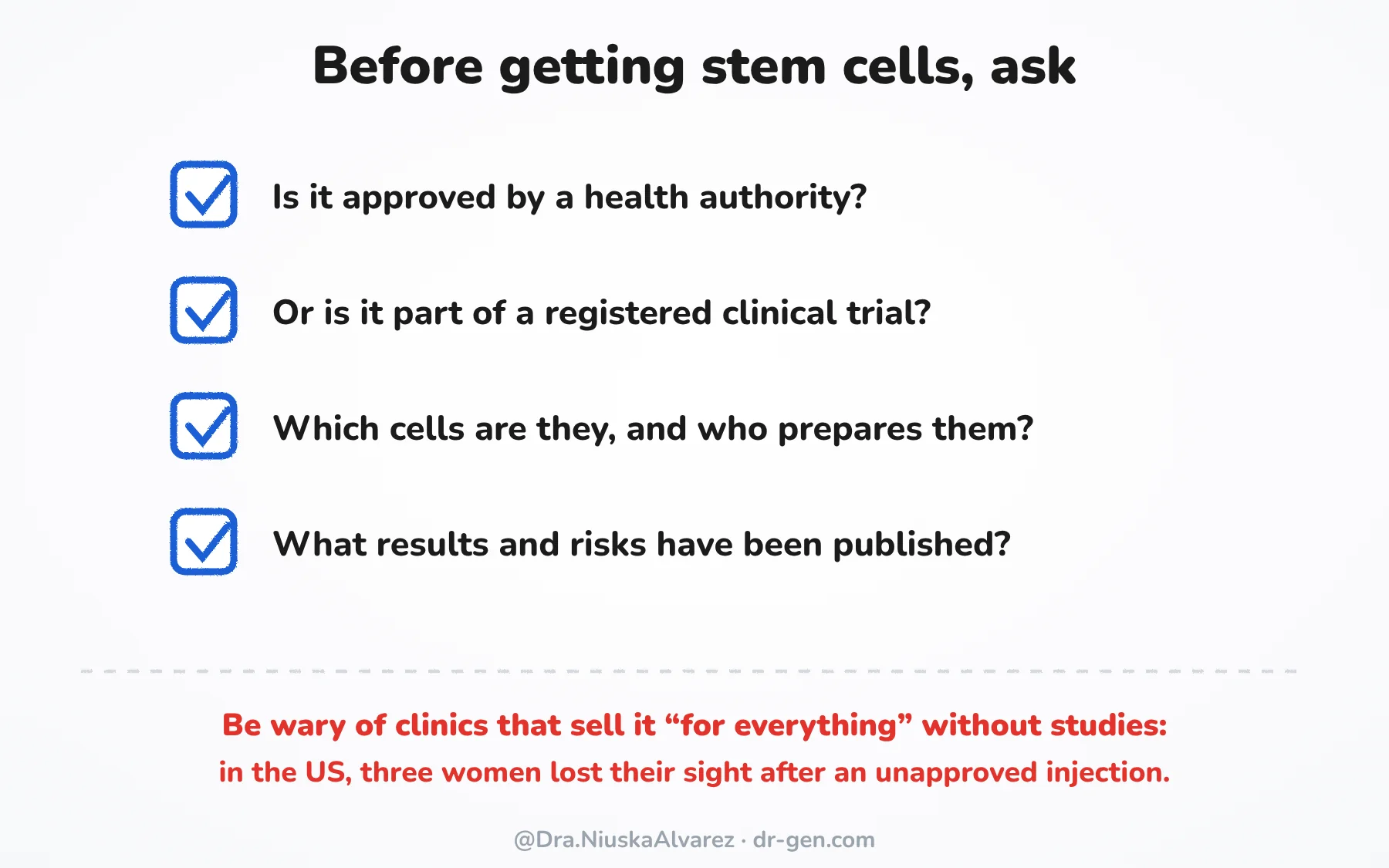
But also that not everything sold as "stem cells" is proven. In the United States, three women lost their sight after receiving an unapproved stem cell injection at a clinic.
Before getting a treatment like this, ask whether it is approved by a health authority or is part of a registered clinical trial, which cells are used and who prepares them, and what results and risks have been published.
Your body already knows how to repair itself; science is learning how to lend it a hand. Understanding how it does this helps you tell apart what already works from what we are still discovering.
At Dr. Gen we want to bring you closer to that science, so you can make decisions about your health with clear, evidence-based information.
This content is educational and does not replace the guidance of a health professional.
See it on Instagram too
Short answer
They are cells that can copy themselves and help repair tissues; some can turn into other types of cells. They are already used in bone marrow transplants and in some approved treatments, and there are promising trials in type 1 diabetes, Parkinson's disease and stroke. For injuries like Kim's shoulder, large trials are still needed.
References
- Dezawa M. Macrophage- and pluripotent-like reparative Muse cells are unique endogenous stem cells distinct from other somatic stem cells. Frontiers in Bioengineering and Biotechnology. 2025;13:1553382. doi.org/10.3389/fbioe.2025.1553382
- Niizuma K, Osawa SI, Endo H, Izumi SI, et al. Randomized placebo-controlled trial of CL2020, an allogenic Muse cell-based product, in subacute ischemic stroke. Journal of Cerebral Blood Flow & Metabolism. 2023;43(12):2029–2039. doi.org/10.1177/0271678X231202594
- Reichman TW, Markmann JF, Odorico J, Witkowski P, Fung JJ, Wijkstrom M, et al. Stem cell–derived, fully differentiated islets for type 1 diabetes. New England Journal of Medicine. 2025;393(9):858–868. doi.org/10.1056/NEJMoa2506549
- Sawamoto N, Doi D, Nakanishi E, Sawamura M, Kikuchi T, Yamakado H, et al. Phase I/II trial of iPS-cell-derived dopaminergic cells for Parkinson's disease. Nature. 2025;641(8064):971–977. doi.org/10.1038/s41586-025-08700-0
- Aabedi A, Agrawal K. Comparing regenerative biologics and standard pharmacotherapy for chronic rotator cuff tendinopathy: a study of PRP, cell-based, and peptide interventions. Journal of Orthopaedics and Sports Medicine. 2026;8(1). doi.org/10.26502/josm.511500247
- Kuriyan AE, Albini TA, Townsend JH, Rodriguez M, Pandya HK, Leonard RE, et al. Vision loss after intravitreal injection of autologous «stem cells» for AMD. New England Journal of Medicine. 2017;376(11):1047–1053. doi.org/10.1056/NEJMoa1609583
Educational content: it does not replace consultation with a health professional.