
Vitamin D protects against diabetes… but not for everyone
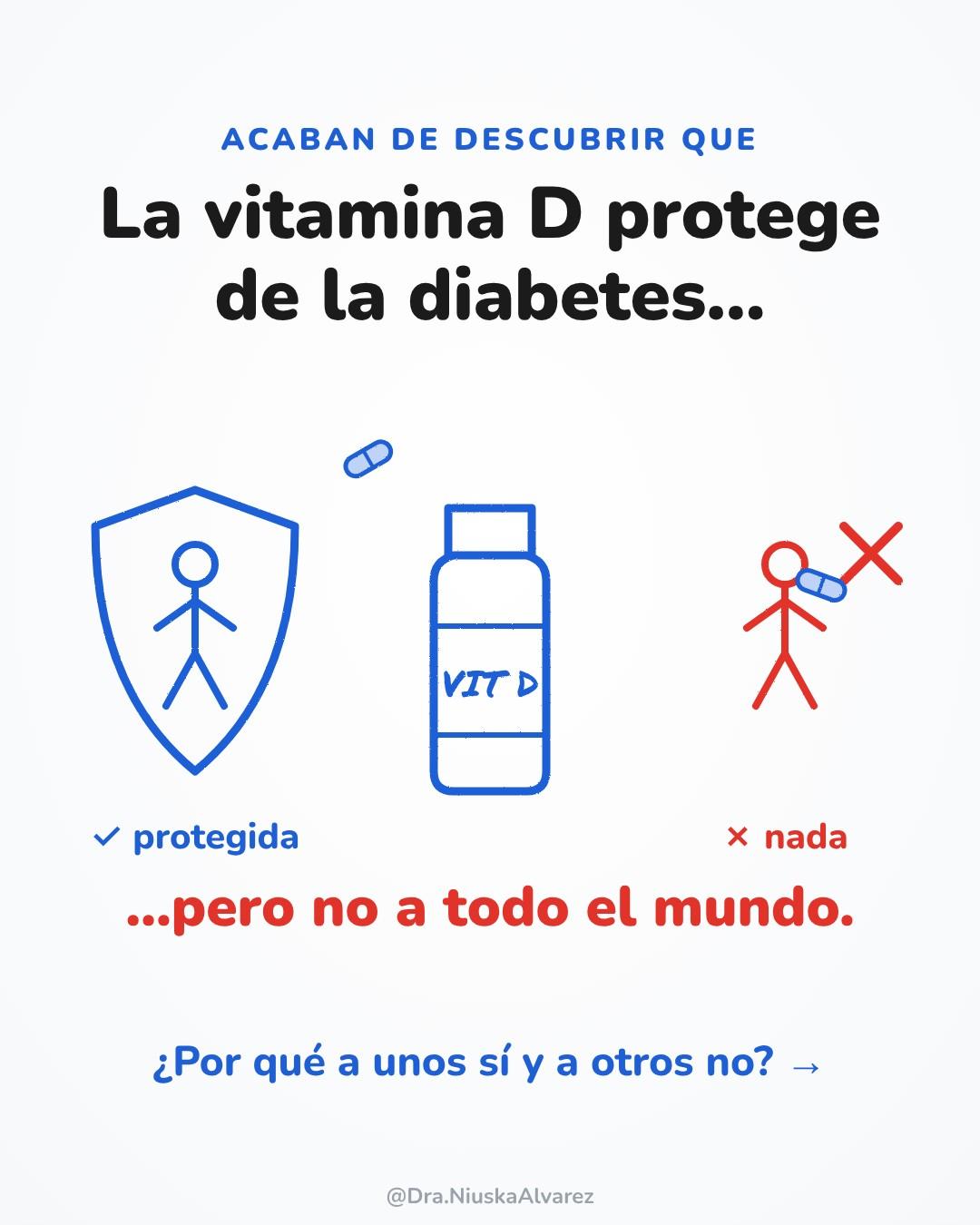
Yes, but it doesn't work the same way for everyone.
In this article I'll tell you who might benefit the most and what these people have in common.
You've probably heard that vitamin D is important for your bones, or that your body makes it when you get sunlight.
But there's something you might not know: vitamin D also takes part in processes related to blood sugar control.
And the most interesting part is that a recent study found it could help lower the risk of diabetes in some people, but not in all of them.
The difference? It might lie in a small variation in our DNA.
First, what does vitamin D do in our body?
Vitamin D helps absorb calcium, keep bones strong and support the work of our muscles and immune system.
But it also has another, lesser-known role.
Once it enters our body, vitamin D goes through a series of transformations until it becomes its active form, called calcitriol.
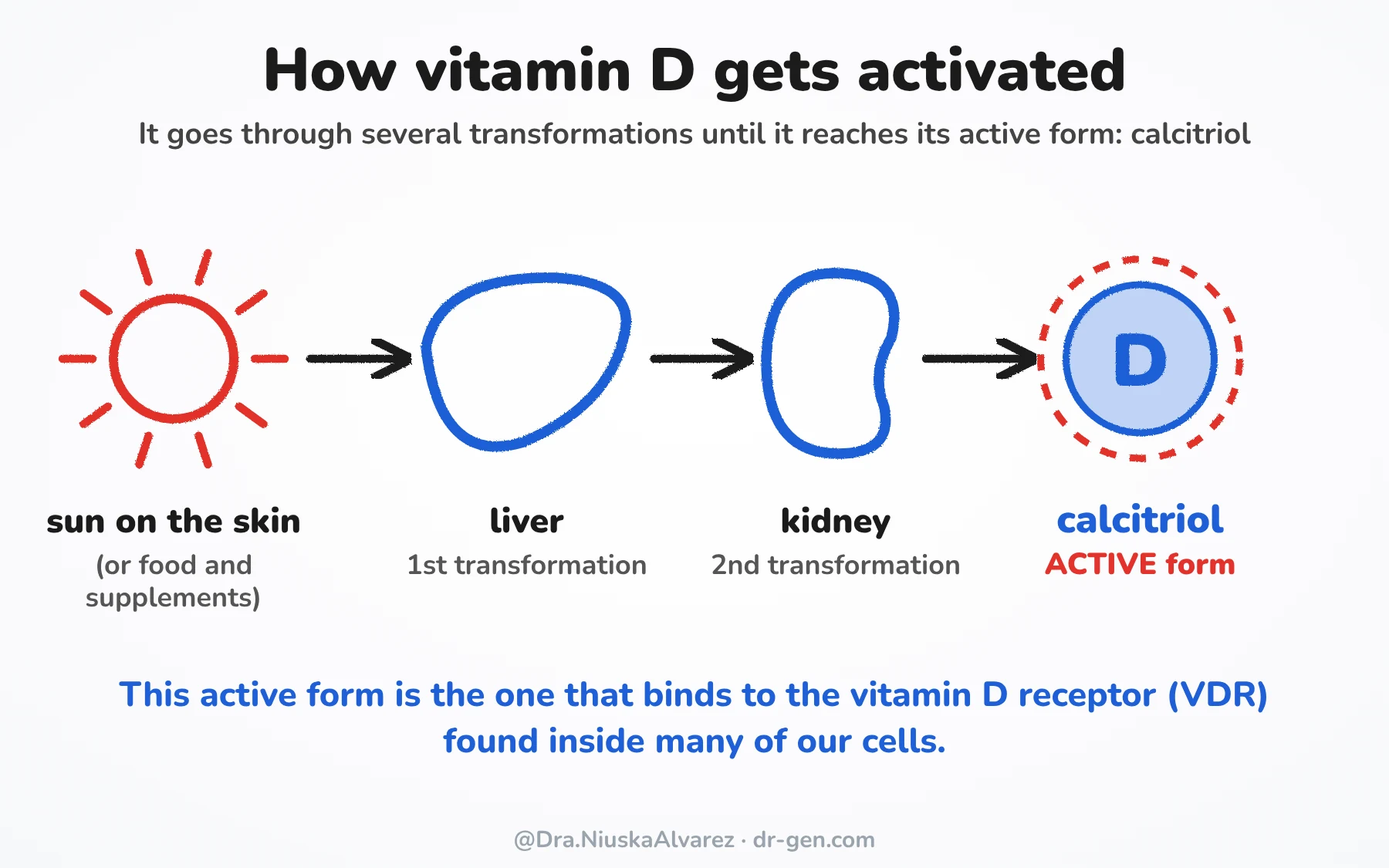
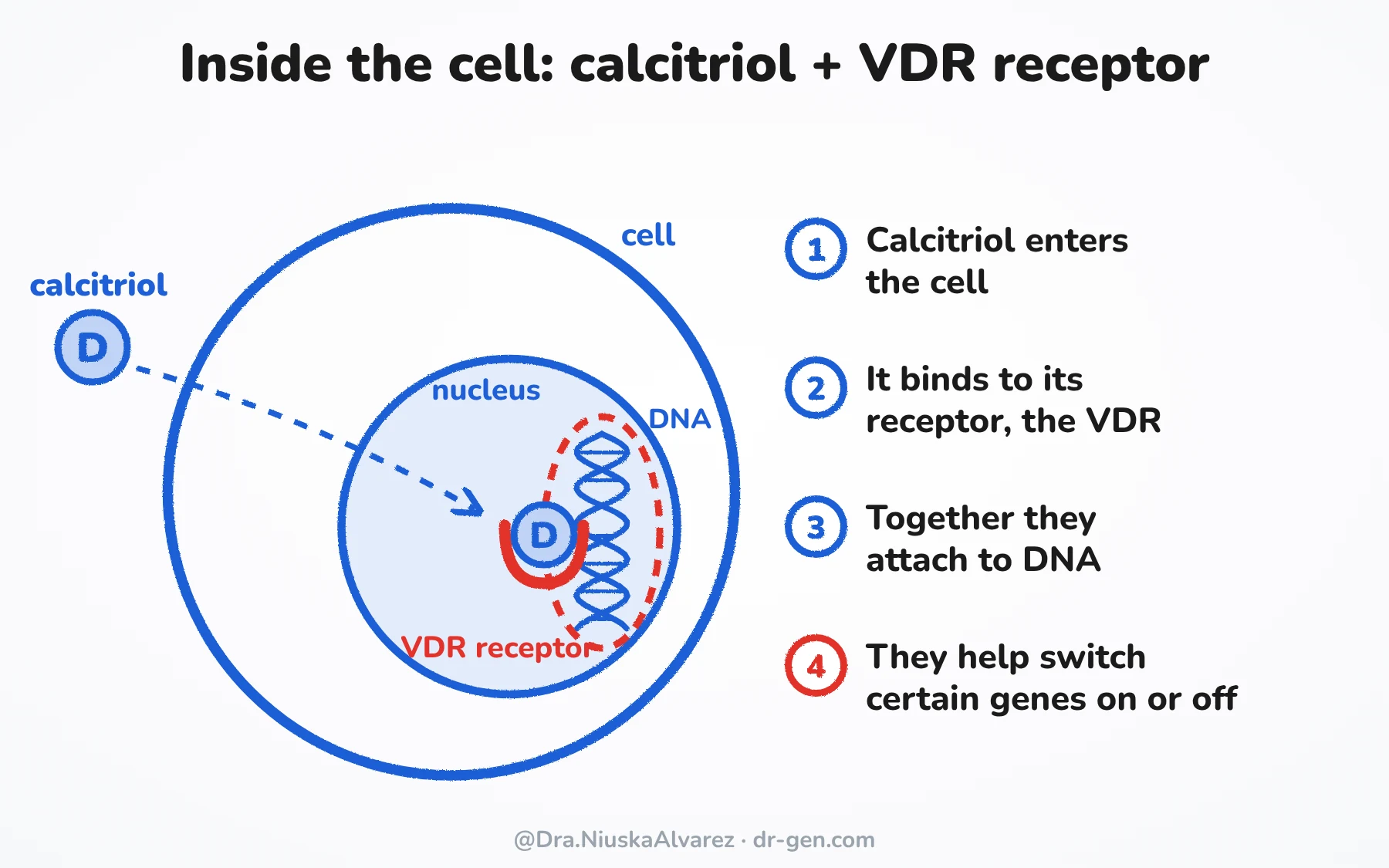
This active form can bind to a protein found inside many of our cells, known as the vitamin D receptor (VDR).
When vitamin D binds to this receptor, it can increase or reduce the activity of certain genes that control functions of our cells, such as calcium absorption, the response to infections and other processes that matter for our health.
And what does all this have to do with diabetes and sugar?
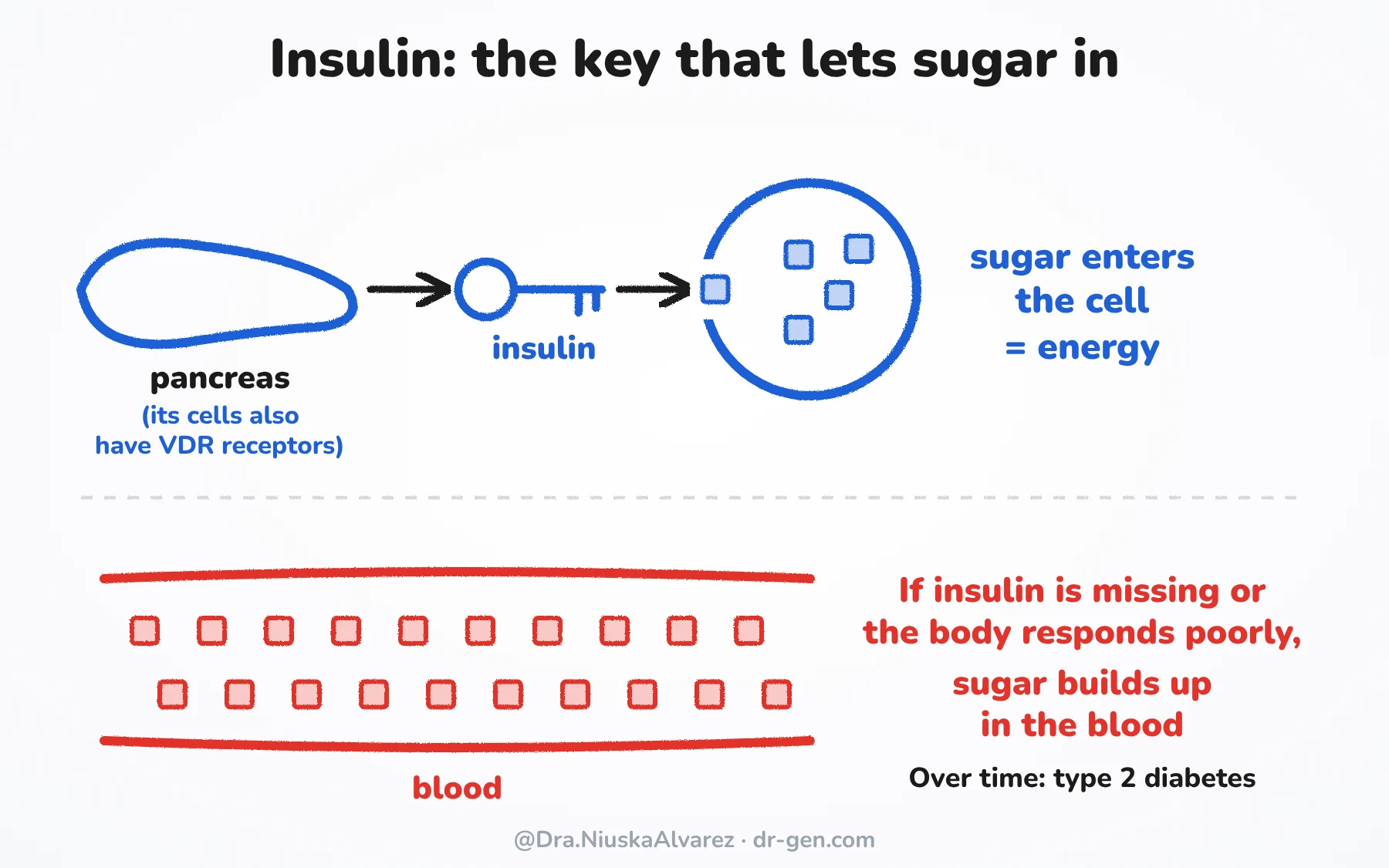
It turns out that the cells of the pancreas that make insulin also have vitamin D receptors.
Scientists first discovered that vitamin D can take part in how these cells work, helping to regulate the production and release of insulin.
Insulin is the hormone that helps the sugar circulating in our blood enter the cells, where it is used for energy.
When our body doesn't respond well to insulin or doesn't make enough of it, sugar starts to build up in the blood. Over time, this can contribute to the development of type 2 diabetes.
In addition, several studies had observed that people with low vitamin D levels tended to have a higher risk of developing diabetes.
That's why scientists have spent years investigating whether vitamin D can help reduce that risk.
And a recent study found a clue that might explain why its benefits are not the same for everyone.
What did the researchers find?
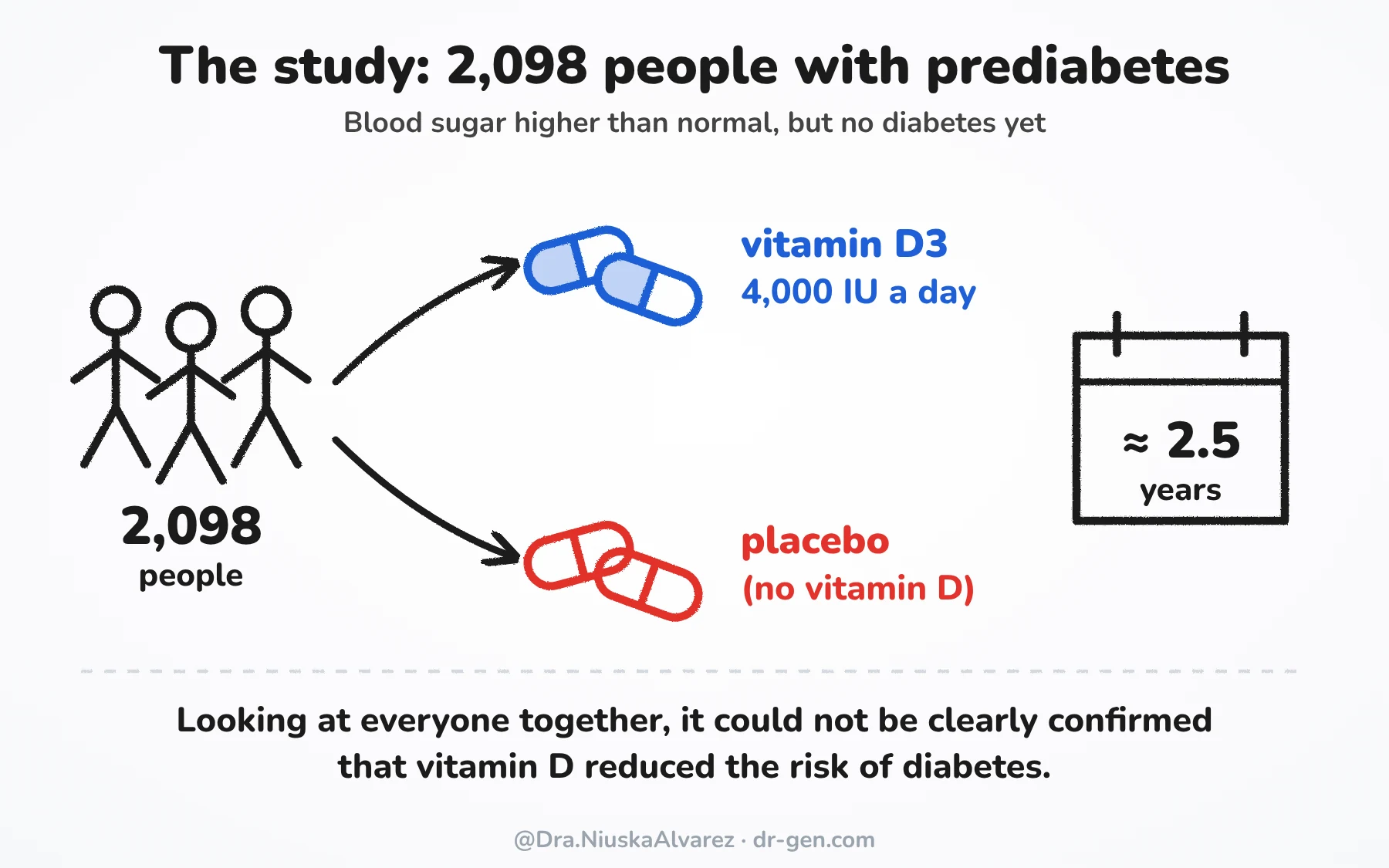
In April 2026, a study was published in the scientific journal JAMA Network Open that analyzed the genetic data of 2,098 people with prediabetes, that is, people whose blood sugar was already higher than normal but who did not yet have diabetes.
These people had taken part in a clinical trial in which some received vitamin D3 supplements (4,000 IU a day) and others a placebo (a pill with no vitamin D), for about two and a half years.
At first, when the results of all participants were analyzed together, it could not be clearly confirmed that vitamin D reduced the risk of developing diabetes.
But when they studied their DNA, the researchers found something interesting.
People who had at least one letter C at a specific position of the VDR gene had a 19% lower relative risk of developing diabetes when taking vitamin D, compared with those who received the placebo.
In contrast, among those who had two letters A at that same position, no reduction in risk was observed.
And the most surprising part is that about 7 in 10 participants in the analysis had at least one C.
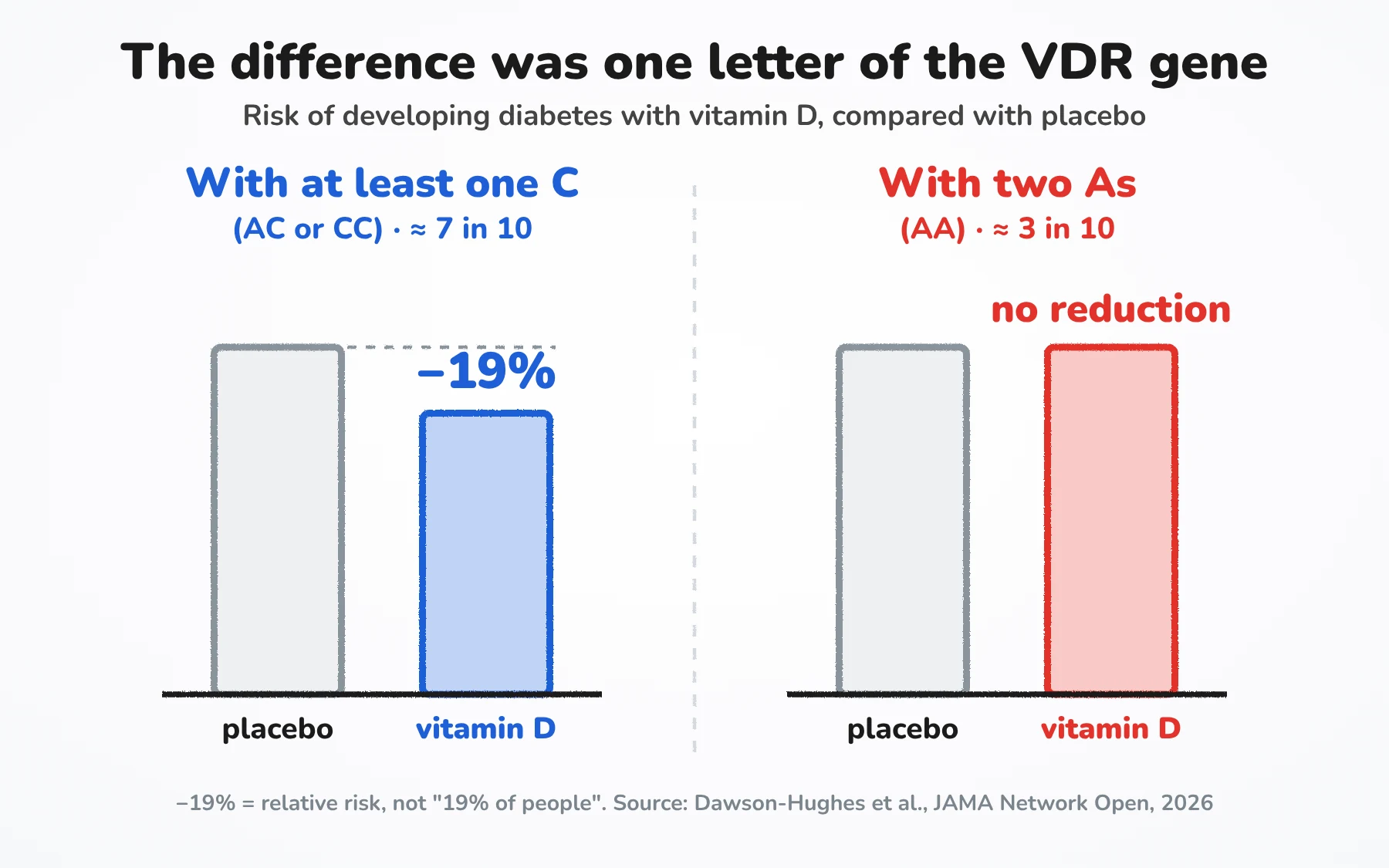
This doesn't mean that vitamin D prevented diabetes in 19% of people, but that the relative risk was 19% lower in that group.
But how can a single letter of our DNA be linked to a difference like this?
The answer might lie in how our genes work
Remember the VDR receptor we talked about at the beginning?
Well, the instructions for making that receptor are written in our DNA, specifically in the VDR gene.
And although we all have that gene, we don't necessarily have exactly the same letters in its sequence.
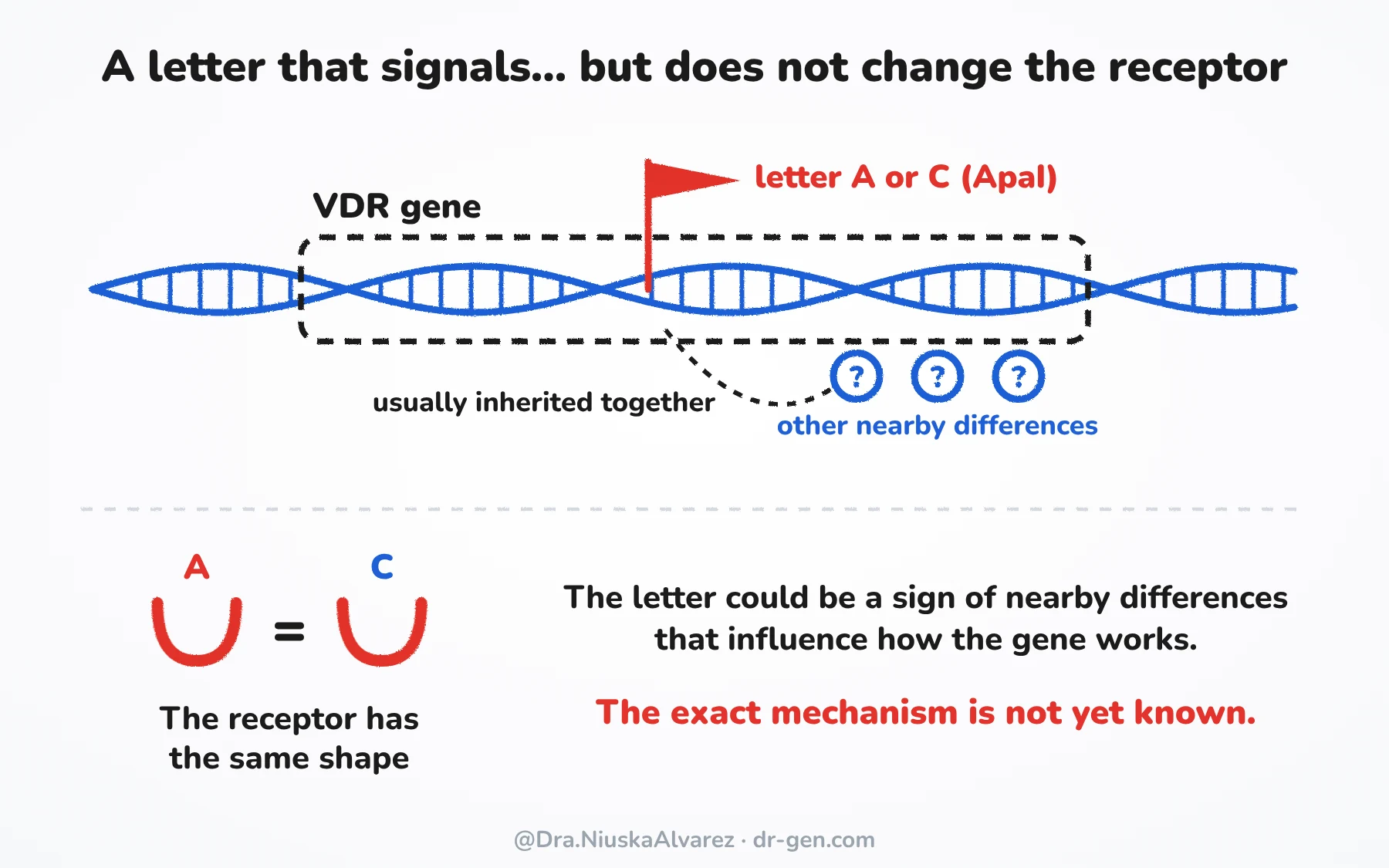
The variation studied is called ApaI. The curious thing is that this letter doesn't directly change the shape of the vitamin D receptor.
In fact, it could be a sign of other nearby genetic differences that influence how the gene works.
The researchers still don't know exactly which mechanism explains the result.
But the discovery leaves us with an important idea: having the same gene doesn't mean our body always responds in the same way.
And what does this mean for you?
First, that vitamin D is still essential for our body, regardless of the letters we have in the VDR gene.
Second, that like every new study, this discovery still needs to be confirmed by other research.
And something very important: the 4,000 IU used in the study is a high dose for people with normal vitamin D levels. If you suspect you have a vitamin D deficiency, talk to your doctor to assess whether you need a test and supplements.
Your genetics don't determine your future, but knowing them can help you make better decisions to prevent disease and take care of your long-term health.
This study is an example of where personalized medicine is heading: understanding why an intervention can benefit some people more than others.
And that is exactly what we aim for at Dr. Gen: bringing you closer to the science of your genes and helping you understand how your genetics, your habits and your environment relate to your health.
Because prevention shouldn't rely only on what works for most people, but also on understanding the differences between each person.
This content is educational and does not replace the guidance of a health professional.
See it on Instagram too

Short answer
Yes, but not for everyone. In a 2026 study of 2,098 people with prediabetes, taking vitamin D was linked to a 19% lower relative risk of type 2 diabetes only in those who had at least one letter C at one position of the VDR gene. This still needs to be confirmed by other studies.
References
- Holick MF. Vitamin D deficiency. New England Journal of Medicine. 2007;357(3):266–281. doi.org/10.1056/NEJMra070553
- Haussler MR, Whitfield GK, Kaneko I, Haussler CA, Hsieh D, Hsieh JC, et al. Molecular mechanisms of vitamin D action. Calcified Tissue International. 2013;92(2):77–98. doi.org/10.1007/s00223-012-9619-0
- Johnson JA, Grande JP, Roche PC, Kumar R. Immunohistochemical localization of the 1,25(OH)2D3 receptor and calbindin D28k in human and rat pancreas. American Journal of Physiology – Endocrinology and Metabolism. 1994;267(3):E356–E360. doi.org/10.1152/ajpendo.1994.267.3.E356
- Norman AW, Frankel JB, Heldt AM, Grodsky GM. Vitamin D deficiency inhibits pancreatic secretion of insulin. Science. 1980;209(4458):823–825. doi.org/10.1126/science.6250216
- Song Y, Wang L, Pittas AG, Del Gobbo LC, Zhang C, Manson JE, et al. Blood 25-hydroxy vitamin D levels and incident type 2 diabetes: a meta-analysis of prospective studies. Diabetes Care. 2013;36(5):1422–1428. doi.org/10.2337/dc12-0962
- Pittas AG, Dawson-Hughes B, Sheehan P, Ware JH, Knowler WC, Aroda VR, et al. Vitamin D supplementation and prevention of type 2 diabetes. New England Journal of Medicine. 2019;381(6):520–530. doi.org/10.1056/NEJMoa1900906
- Pittas AG, Kawahara T, Jorde R, Dawson-Hughes B, Vickery EM, Angellotti E, et al. Vitamin D and risk for type 2 diabetes in people with prediabetes: a systematic review and meta-analysis of individual participant data from 3 randomized clinical trials. Annals of Internal Medicine. 2023;176(3):355–363. doi.org/10.7326/M22-3018
- Dawson-Hughes B, Huggins GS, Nelson J, Vickery EM, Powers C, Pittas AG. Vitamin D receptor polymorphisms and the effect of vitamin D supplementation on diabetes risk among adults with prediabetes. JAMA Network Open. 2026;9(4):e267332. doi.org/10.1001/jamanetworkopen.2026.7332
Educational content: it does not replace consultation with a health professional.